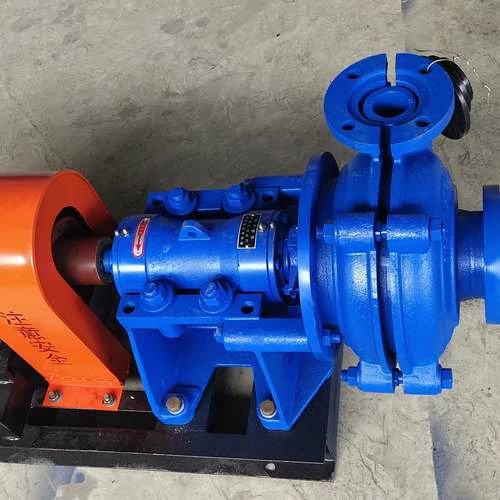
In the field of industrial fluid transportation, rubber pumps are widely used in complex working conditions such as chemical, petroleum, and sewage treatment due to their good wear resistance and sealing properties. However, traditional rubber materials are prone to deformation, aging, medium penetration, and other problems under high pressure and strong corrosion environments, which restricts the service life and stability of the equipment. Recently, the domestic fluid equipment R&D team has successfully achieved a leap-forward improvement in the performance of the core materials of rubber pumps through molecular structure design and composite material technology innovation, providing a new solution to the problem of fluid transportation in harsh industrial environments.
Technological breakthrough of new polymer composite materials
The core of this technological upgrade is to blend and modify nano-scale fluoropolymers, graphene-reinforced rubber and special elastomers at the molecular level. By introducing cross-linking density control technology, the material molecular chain forms a three-dimensional mesh reinforcement structure, which significantly improves the compressive strength and chemical stability while maintaining the flexibility of the rubber matrix. Experimental data show that the tensile strength of the new material is 65% higher than that of traditional nitrile rubber, and can withstand a continuous working pressure of up to 30MPa; after immersion in a strong corrosive medium with a pH value of 1-14 for 500 hours, the mass loss rate is only 0.3%, which is much lower than the industry standard of 1.5%.
Industrial application value of multi-dimensional performance improvement
(I) Stability breakthrough under high-pressure conditions
In the water injection operation scenario in the field of oil extraction, the average service life of the traditional rubber pump diaphragm is about 2000 hours, while the diaphragm using the new material has no cracks and plastic deformation on the surface after 1000 hours of continuous high-pressure testing (pressure 25MPa). Field data from a shale gas field showed that the operating cycle of the upgraded rubber pump system was extended to 4500 hours, and the maintenance cost was reduced by 40%, effectively solving the problem of frequent equipment shutdowns under high-pressure environments.
(II) Medium compatibility under strong corrosive environments
For strong corrosive media such as concentrated hydrochloric acid and caustic soda commonly found in the chemical industry, the new material forms a molecular-level corrosion-resistant barrier by introducing a perfluoroalkyl side chain structure. In the acidic wastewater transportation scenario of a pesticide intermediate production workshop, the new rubber pump impeller has been running continuously for 8 months without swelling or damage, while the original stainless steel impeller has been replaced 3 times due to pitting failure. This material breakthrough not only solves the problem of electrochemical corrosion of metal materials, but also avoids the risk of dielectric penetration of traditional rubber materials.
Technology extension and prospects of industrial upgrading
This technological breakthrough has simultaneously driven the optimization and innovation of rubber pump structural design. Through material-structure collaborative simulation, the R&D team has developed a multi-layer composite sealing component and an adaptive pressure compensation system, which enables the equipment to maintain stable sealing performance in a high-temperature alternating environment (-30℃~120℃). At present, this series of products has passed ATEX explosion-proof certification and ISO 17025 laboratory certification, and is being used for large-scale application verification in high-end fields such as new energy battery electrolyte transportation and offshore platform chemical injection.
With the advancement of industrial intelligence and green manufacturing, rubber pump material technology is moving towards multifunctional integration. Future research and development directions will focus on self-healing coating technology and intelligent sensor integration. By embedding nano-healing agents and optical fiber sensors in the rubber matrix, real-time monitoring of equipment wear status and autonomous repair of micro-damage can be achieved, further improving the reliability and intelligence level of industrial fluid systems. This breakthrough in high-pressure and corrosion-resistant materials is not only an important milestone in the iteration of rubber pump technology, but also provides a sustainable material solution for fluid transportation in complex industrial environments, promoting the upgrading and evolution of related industries towards high efficiency, safety and long life.
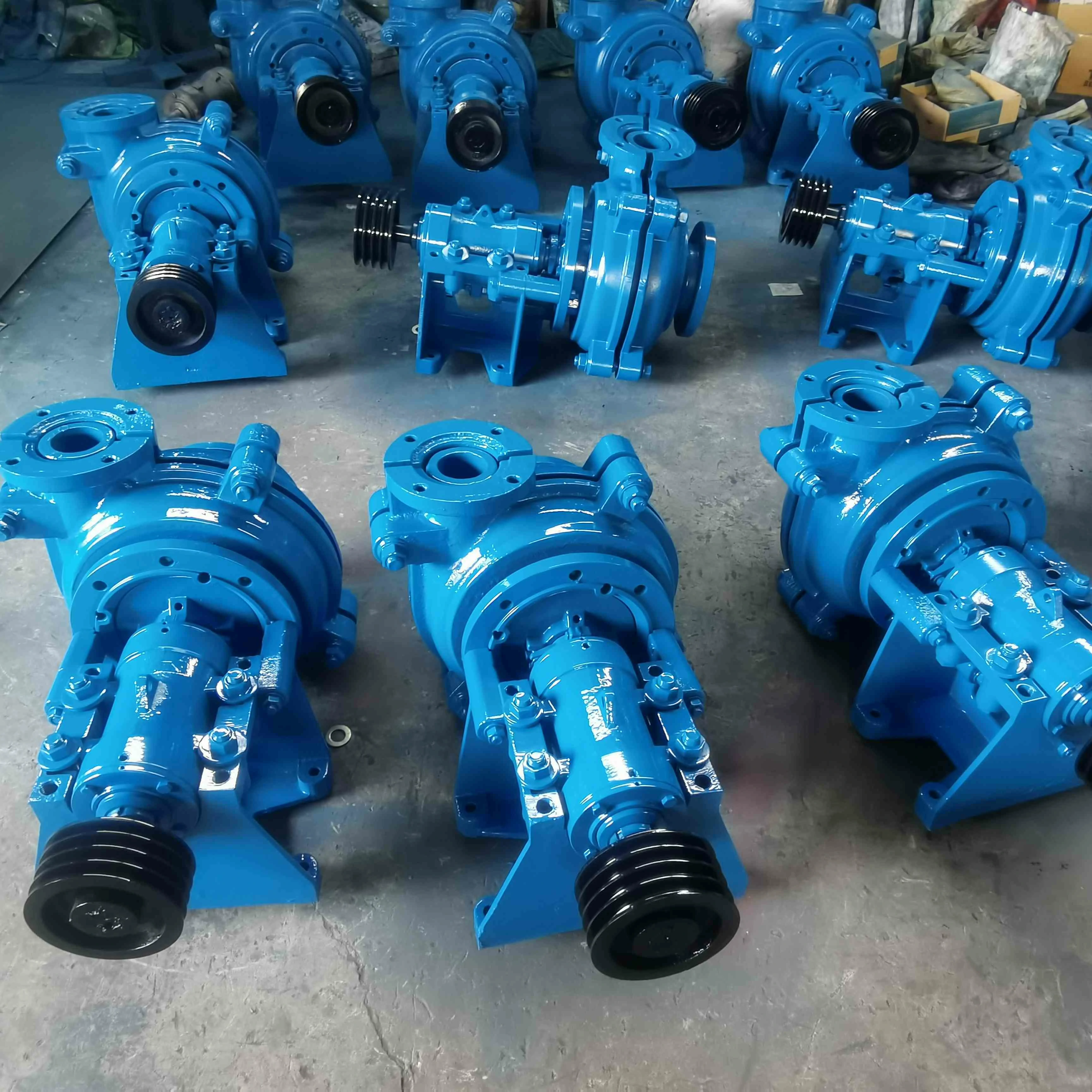
The new technological breakthrough of high-pressure and corrosion-resistant materials for rubber pumps not only brings more reliable transportation solutions to the industrial field, significantly improves the service life and operating stability of equipment, but also opens up new possibilities for applications in harsh working conditions such as chemical and petroleum industries. With the continuous deepening of research and development, this technology is expected to further optimize performance and reduce costs. In the future, it may promote the popularization of rubber pumps in more high-demand scenarios, injecting lasting power into the efficiency and safety of industrial production.